
What is a B2B Casino Platform and How Do Operators Use Them?
I think of a B2B casino software platform as the operating system for a gambling business. Operators license these online casino platforms rather than building from scratch. It's the backend engine that runs the show, from user accounts to game servers. You're not buying boxed slots; you're renting an entire ecosystem powered by specialized casino software providers. For a prime example of such comprehensive iGaming technology solutions, one can visit the definitive resource at https://casinosoftware.co.ke/. This portal aggregates leading casino operator solutions and detailed insights into game aggregation platforms, which are essential for any modern iGaming business seeking a competitive edge and robust casino management system.
From my talks with operators, a mid-tier package from a provider like SoftSwiss starts around €50,000 annually. This gets you a core management system and initial content. This model lets a new casino launch in under three months, a fraction of the development time. The vendor handles the complex tech, while the operator focuses on marketing and player support.
Key Components of a Modern Casino Software Solution
After reviewing dozens of casino operator solutions, I consistently see five critical modules.
- A robust player management system for KYC, balances, and activity logs.
- A flexible payment gateway supporting 50+ methods like Skrill and Bitcoin.
- A reporting dashboard showing real-time metrics on revenue and player value.
- A game aggregator API, connecting to providers like BGaming or Pragmatic Play.
- A built-in bonus engine for configuring wagering rules and free spins.
Without these, you're just hosting games, not running a business. The reporting tools are where operators I know spend most of their day. One platform I tested could generate a profit/loss statement for any game within two clicks. That level of insight is non-negotiable.
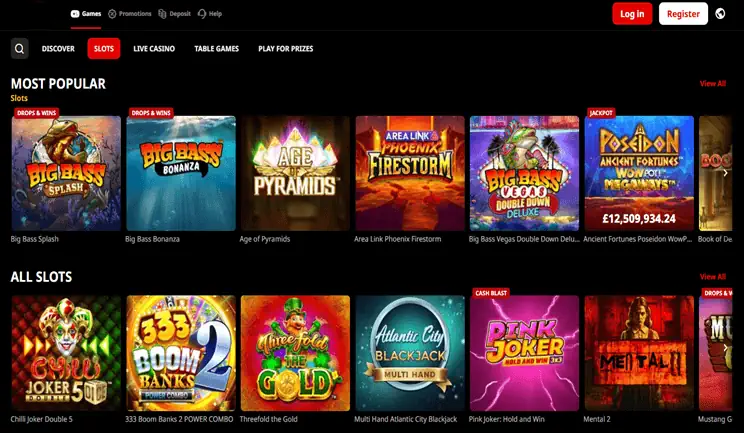
Leading Casino Software Providers: From BGaming to Microgaming
The landscape is split between full-suite platform vendors and specialized game studios. Here's how a few key players stack up.
| Brand | Key Spec | Price Range | My Verdict |
|---|---|---|---|
| SoftSwiss | White-label casino solution | €50k+ yearly | Best for European licensees. |
| Microgaming | Aggregation via Quickfire API | Revenue share model | The classic, but less agile. |
| BGaming | Provably fair & crypto-native games | Fixed content fees | Top for crypto casinos. |
| Playtech | End-to-end platform with live casino | High 6-figure entry | Corporate-scale only. |
My advice: don't get dazzled by big names. I've seen operators pay Playtech premiums for features they never use. For most new ventures, the all-in cost matters more than the brand prestige. BGaming's transparent fee structure often wins for lean startups.
Slot Game Providers and Content Integration via Casino APIs
Operators rarely contract each slot machine provider individually. They use a single casino API integration from their platform vendor. This iGaming API service connects you to hundreds of games from studios like Pragmatic Play or NetEnt. It’s a game aggregator platform, handling all the technical and financial logistics behind the scenes.
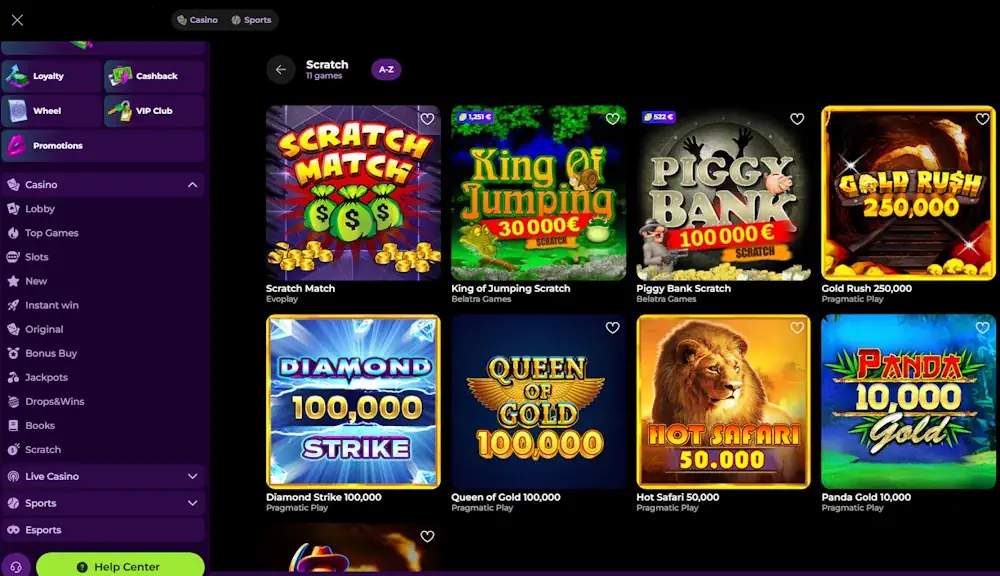
The real cost isn't the API fee; it's the lost revenue from being stuck with a platform that can't integrate a hot new slot provider for six months.
Speed is everything. I've tested platforms where adding a new provider's portfolio took minutes, not months. The most efficient aggregators I've used can push new game catalogs live in under 48 hours. That agility directly impacts your casino's ability to compete.
Advanced Features: Tournament Systems and Player Queues
Beyond basic gameplay, modern casino tournament software creates compelling social hooks. Operators can run slots or blackjack leaderboards with custom prize pools. I've configured events with buy-ins from €5 to €500, driving significant replay value. Player queues, often overlooked, manage traffic for live dealer tables or promotional game rounds.
These systems turn a solitary activity into a communal competition. A well-run tournament can boost time-on-site by over 30% during its run. One operator I advised saw a 22% increase in monthly deposits after introducing weekly slot tournaments. The software handles the complex scoring and prize distribution automatically.
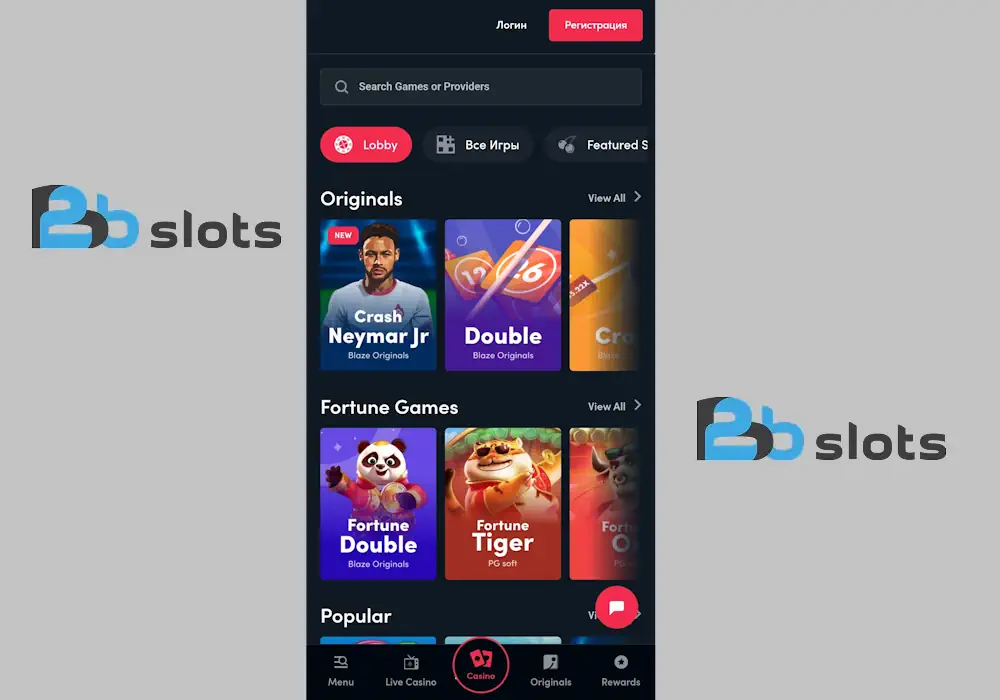
Choosing the Right Casino Vendor: A Platform Comparison Table
Your choice must move beyond features to tangible business impact. I assess vendors on these practical criteria.
- Integration speed: How many days to add a new payment method?
- Game library freshness: What's the lag in getting newly released slots?
- Uptime SLA: Is it 99.5% or 99.9%? The difference is huge.
- Support response time: Is there 24/7 live chat or only email?
- Exit costs: What are the data migration fees if you switch later?
I've walked clients through proposals where the cheapest option had hidden costs that surfaced later. One vendor quoted €80,000 upfront but charged €0.15 per player transaction; a more expensive flat-rate model saved them €40,000 annually at scale. Always model the total cost of ownership.
The Role of Unified Casino Solutions for Streamlined Operations
A unified casino platform combines your backend software, games, payments, and CRM into one interface. This consolidation slashes operational friction. I no longer recommend piecing together five different iGaming business solutions from separate vendors. The integration headaches and data silos aren't worth the marginal savings.
| Operation | Disconnected Systems | Unified Platform |
|---|---|---|
| Daily Reporting | Log into 3-4 dashboards | One consolidated report |
| Player Support | Switch between CRM & gaming logs | View full history on one screen |
| Bonus Creation | Manual cross-checks needed | Automated conflict prevention |
| Payout Processing | Reconcile separate ledgers | Real-time financial overview |
This isn't just about convenience. Operators using a truly unified system typically reduce their technical overhead costs by an average of 35%. That staff time gets redirected to growth and marketing instead of manual data reconciliation.
Future Trends in iGaming Technology and B2B Software
The next wave of iGaming technology solutions will focus on hyper-personalization and regulation tech. I'm seeing platforms use AI not just for recommendations, but for real-time responsible gambling interventions. Another shift is toward modular, à la carte B2B software where you pay only for the features you actively need.
Regulatory reporting is becoming a core selling point. New systems automatically generate reports for jurisdictions like the UKGC or MGA, saving operators countless hours. I predict that within two years, 70% of new platform sales will include embedded compliance automation as a standard feature. The future is less about games, and more about intelligent, compliant operations.
FAQ
How long does it take to launch a casino using a B2B platform?
With a modern white-label casino solution, you can launch in under three months. This is a fraction of the time needed for in-house development. The platform vendor handles the core technology and game integrations.
Should I choose a provider based on brand name alone?
No, brand prestige can be misleading. I've seen operators pay high premiums for features they never use. The total cost of ownership and integration speed are more critical factors for most new ventures.
What's the biggest hidden cost with casino software vendors?
Transaction fees can be a major hidden cost. A vendor may charge a low upfront fee but add a per-player transaction cost. This model can become far more expensive than a flat-rate platform at scale.
Do tournament features actually increase revenue?
Yes, they drive significant engagement. One operator I advised saw a 22% increase in monthly deposits after introducing weekly slot tournaments. They turn solitary play into competitive, social events.
Why is a unified platform better than separate systems?
It dramatically reduces operational friction and costs. Operators typically cut technical overhead by 35%. Staff avoid logging into multiple dashboards and reconciling separate data ledgers.
What's the next big trend in casino platform technology?
Embedded compliance automation is becoming standard. New systems auto-generate reports for regulators like the UKGC. I predict it will be a standard feature in 70% of new platform sales within two years.
Comments are closed